The Agenda Moved. The Programme Was Printed Last Week.
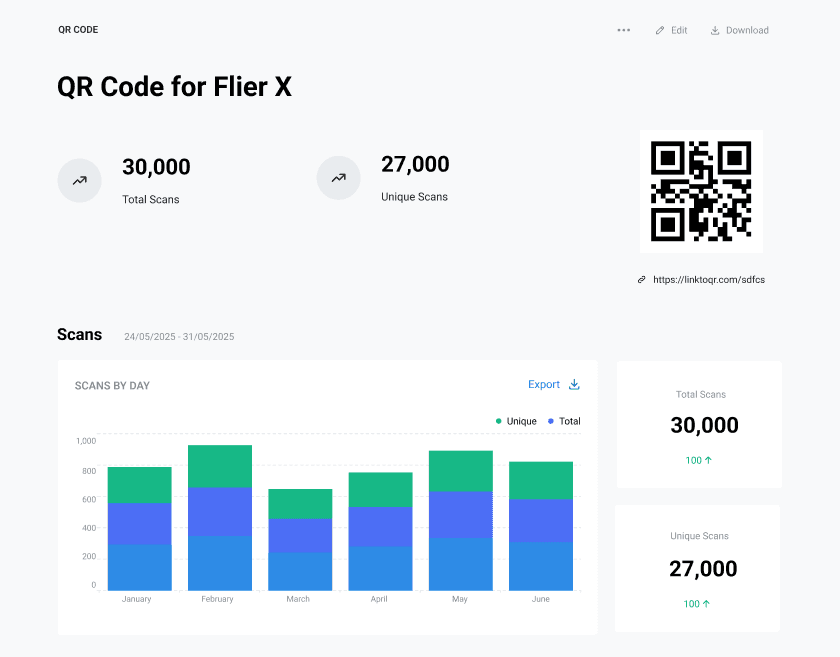
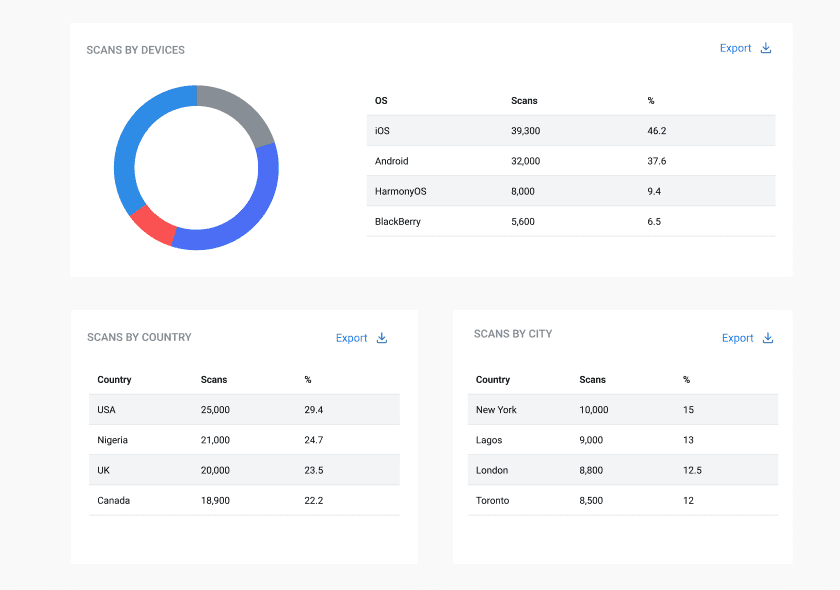
One QR code on badges, banners, and programmes—updated from your phone while doors are open, and tracked so you know which placement attendees actually used.
The printed code is fixed. Everything behind it stays in your hands.
Fix the schedule mid-event
Change the hall, the time, or the speaker from your phone—the code on 2,000 badges updates with it
Route straight to WhatsApp or registration
Send scans to your RSVP form, ticket page, or the WhatsApp line your team is already watching
One page before, another after
Point at the agenda during the event, then swap the same code to the feedback form or recordings when it ends
Keep each event in its own file
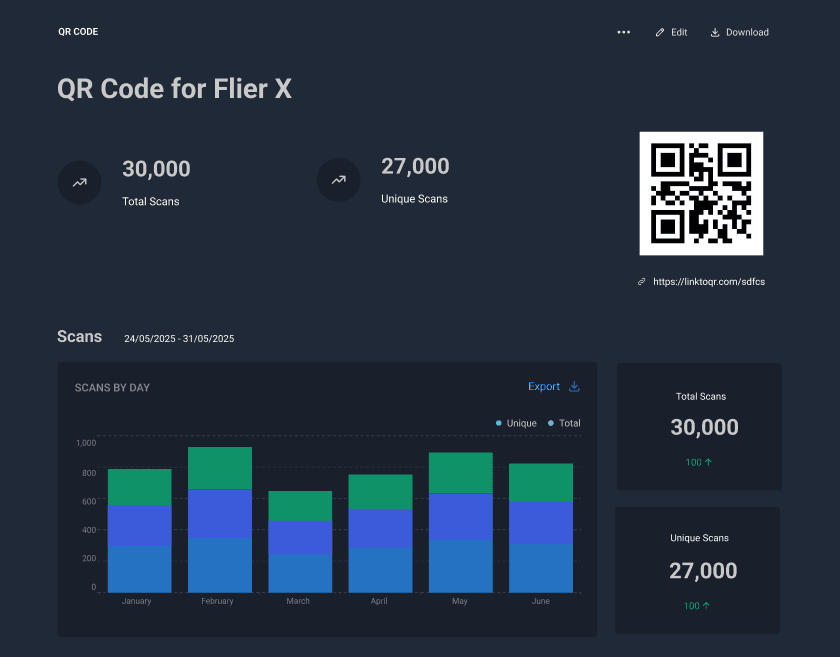
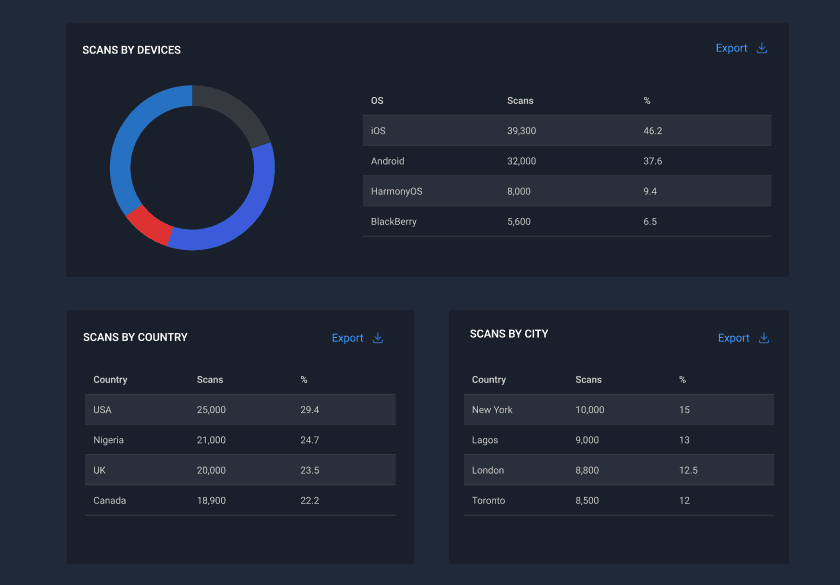
Group codes per event, per sponsor, or per client, and compare this year against last from one dashboard
Testimonials
What our customers are saying
"It took less than 2 minutes to setup. And based on our dashboard data, we were able to optimise our banners and fliers and saw a 3X increase in customer engagements"
Charles Izuoba
CEO at LAskill
Simple Pricing That Scales With You
Choose the plan that fits your needs today, and scale as your campaigns grow
.
Free
Explore Qrelux and launch your first trackable QR campaigns
No. Qrelux codes send people to a page and record the scan— they don't validate tickets or control admission. Use it for agendas, RSVPs, sponsor pages, and campaign tracking alongside whatever ticketing system you already run.
Can I really change it after printing?
Yes—that's the point. The printed code never changes; the destination behind it does, as often as you like, before, during, and after the event. The full comparison of static and dynamic QR codes covers what each can and cannot do.
What if the venue network is poor?
Attendees need a data connection for the page to open, so keep your destination light—a simple agenda page loads on a weak signal far better than a heavy PDF. Our guide to where a QR code should link to covers building for a weak signal.
I only run one event a year. Is that worth it?
Start on the free trial, run the event, and keep the plan only if the numbers are useful. The codes and their history stay in your account for the next one.
One is free forever and can never be changed. The other costs money and can be edited and measured. Here is how to tell which your campaign actually needs — before it goes to print.
The single most common reason a printed QR code does not work is that it was printed too small for the distance people stand at. Here is the arithmetic, with sizes for every common format.
Getting the scan is the hard part, and most campaigns waste it. The page a code opens is almost always designed for a desktop visitor who arrived from Google — not someone holding a flyer in the rain.