The printed code is fixed. Everything behind it stays in your hands.
Change the destination, not the packaging
Swap a launch page for a seasonal offer, a recipe, or a recall notice—the code on every unit follows
Route to WhatsApp support or reorders
Send scans to your WhatsApp line, a reorder page, or a review form—wherever the next sale happens
One code for every customer
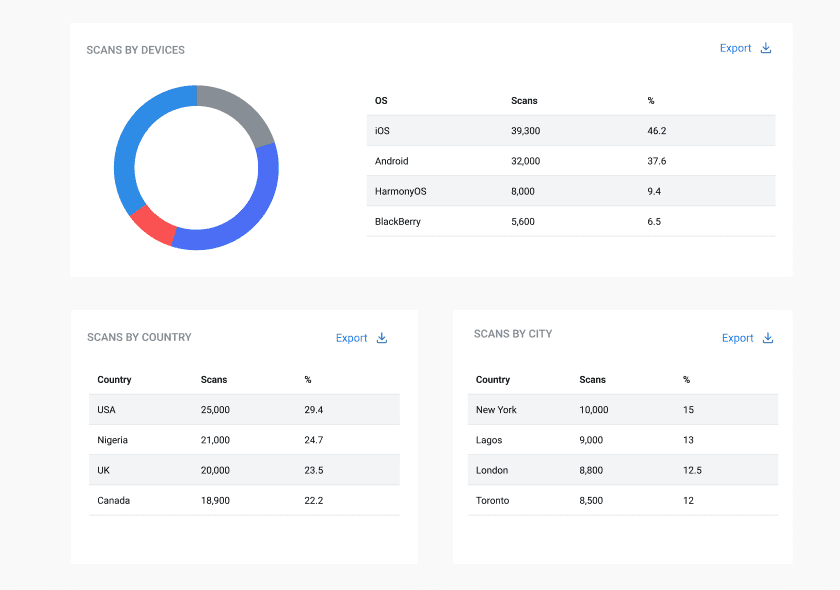
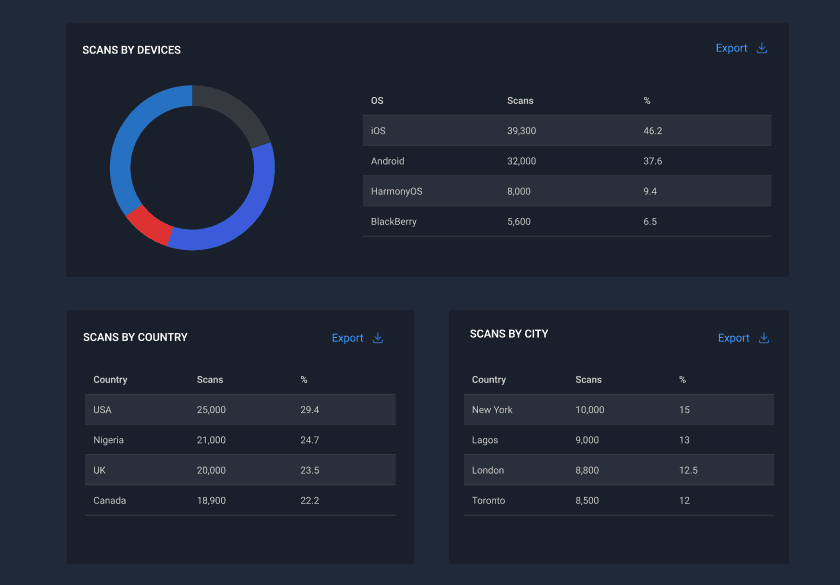
Smart redirects send each scan by device, OS, or country, so one printed code reaches the right app store or regional page
Organise codes by product line
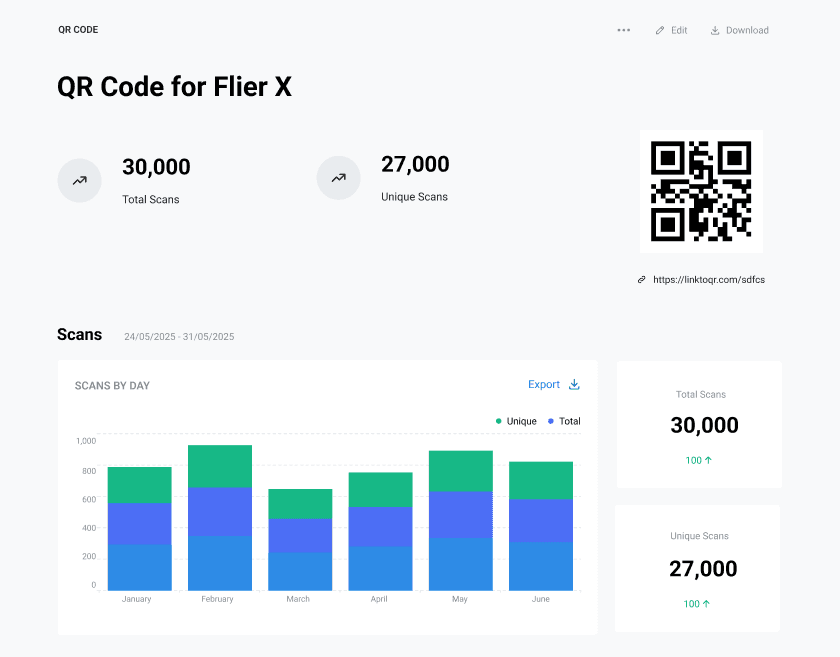
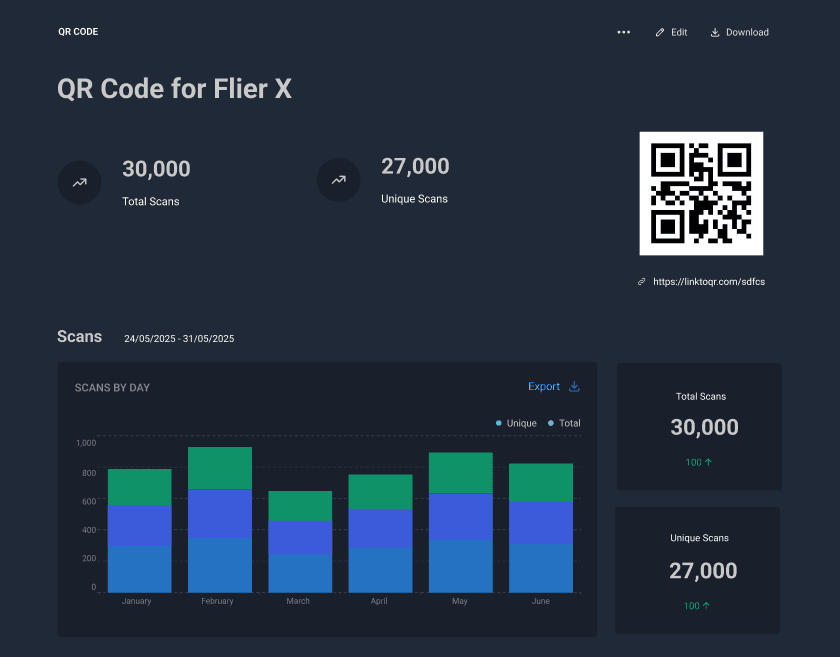
Group codes per product, per print run, or per client brand, and compare their performance from one dashboard
Testimonials
What our customers are saying
"It took less than 2 minutes to setup. And based on our dashboard data, we were able to optimise our banners and fliers and saw a 3X increase in customer engagements"
Charles Izuoba
CEO at LAskill
Simple Pricing That Scales With You
Choose the plan that fits your needs today, and scale as your campaigns grow
.
Free
Explore Qrelux and launch your first trackable QR campaigns
No. Qrelux codes are made per product line, print run, or placement, not serialised per unit, so they aren't built for authenticating individual items or anti-counterfeiting. Use them to track engagement and keep links current across a whole run.
Can I really change it after the packaging is printed?
Yes—that's the point. The printed code never changes; the destination behind it does, as often as you like. The full comparison of static and dynamic QR codes covers what each can and cannot do.
How small can the code be on a label?
It depends on how far away people scan from and how much data the code holds. Dynamic codes use a short link, so they stay simpler and scan reliably at smaller sizes. Our guide to QR code sizes for print has the numbers.
Where should a packaging code send people?
Somewhere useful right after purchase—setup help, recipes, a reorder page, or support. Avoid sending scans to a generic homepage. Our guide to where a QR code should link to covers the options.
The single most common reason a printed QR code does not work is that it was printed too small for the distance people stand at. Here is the arithmetic, with sizes for every common format.
Nobody scans a code because it says “scan me”. They scan because they know what they get. Two seconds of copywriting usually beats any amount of design work.
Getting the scan is the hard part, and most campaigns waste it. The page a code opens is almost always designed for a desktop visitor who arrived from Google — not someone holding a flyer in the rain.